QuickLock Point Repair Sleeves
 Sold & supported by Jet Line Sales & Service
Fix the Bad Spot.
Stainless Steel.
No Digging.
A cracked pipe, a leaking joint or roots at one spot does not mean tearing up the street or buying a resin liner. QuickLock is a stainless steel sleeve your crew drives to the problem from the manhole with a camera on it, locks in place and records. No resin, no curing. Jet Line sells QuickLock sleeves, packers and install gear nationwide, and trains your crew to set them.
 BEFOREAFTER
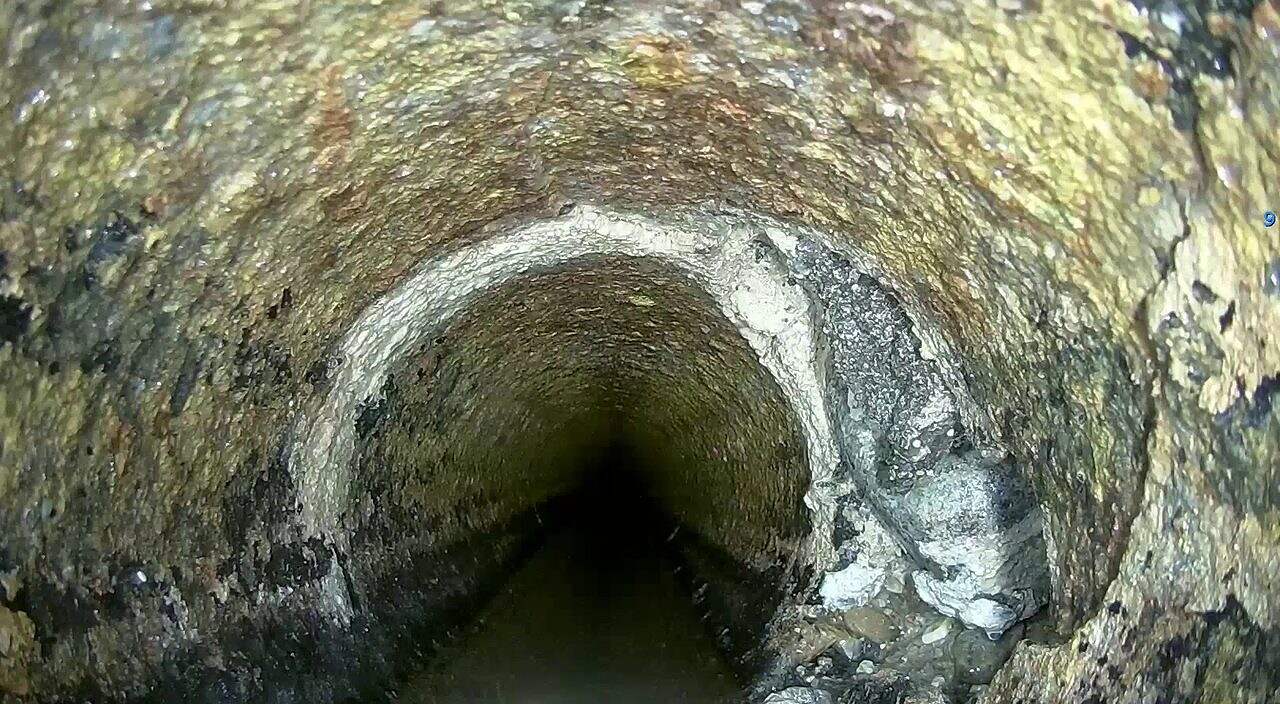
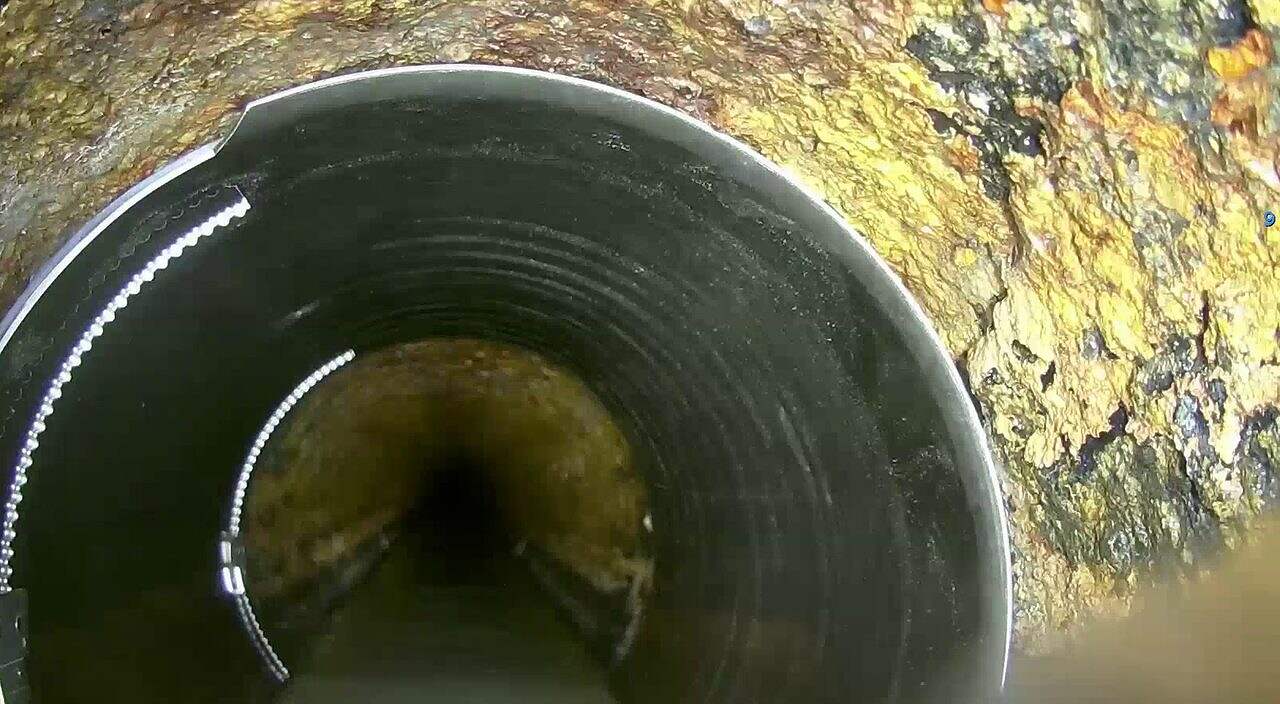
Drag the slider. A real repair: a broken, offset joint, then the same spot with a QuickLock sleeve.
Which QuickLock Fits Your Pipe?
Every sleeve is 316L stainless steel with an EPDM rubber seal. Tap your pipe size.
 4″ to 6″
Small Pipe, Even Through Bends
The QuickLock Mini repairs damage in 4", 5" and 6" pipe. The standard sleeve is 5.7" long, and a short 3.5" sleeve goes through bends up to 45 degrees, installed with the matching Mini packer.
Use it for
- Leaking pipe joints
- Infiltration and exfiltration
- Crack systems
- Gravity pipes, rising mains and district heating lines
 6″ to 32″
The Everyday City Main Repair
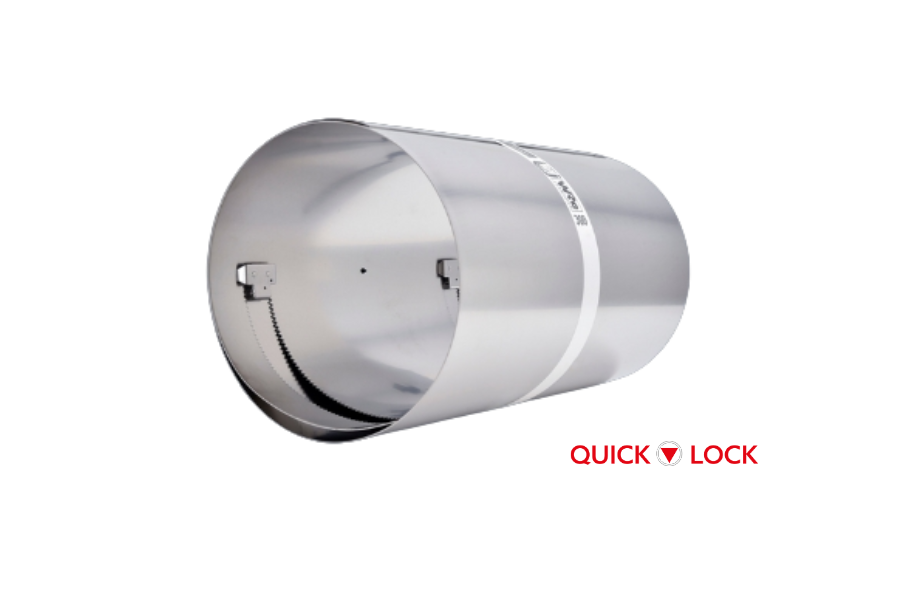
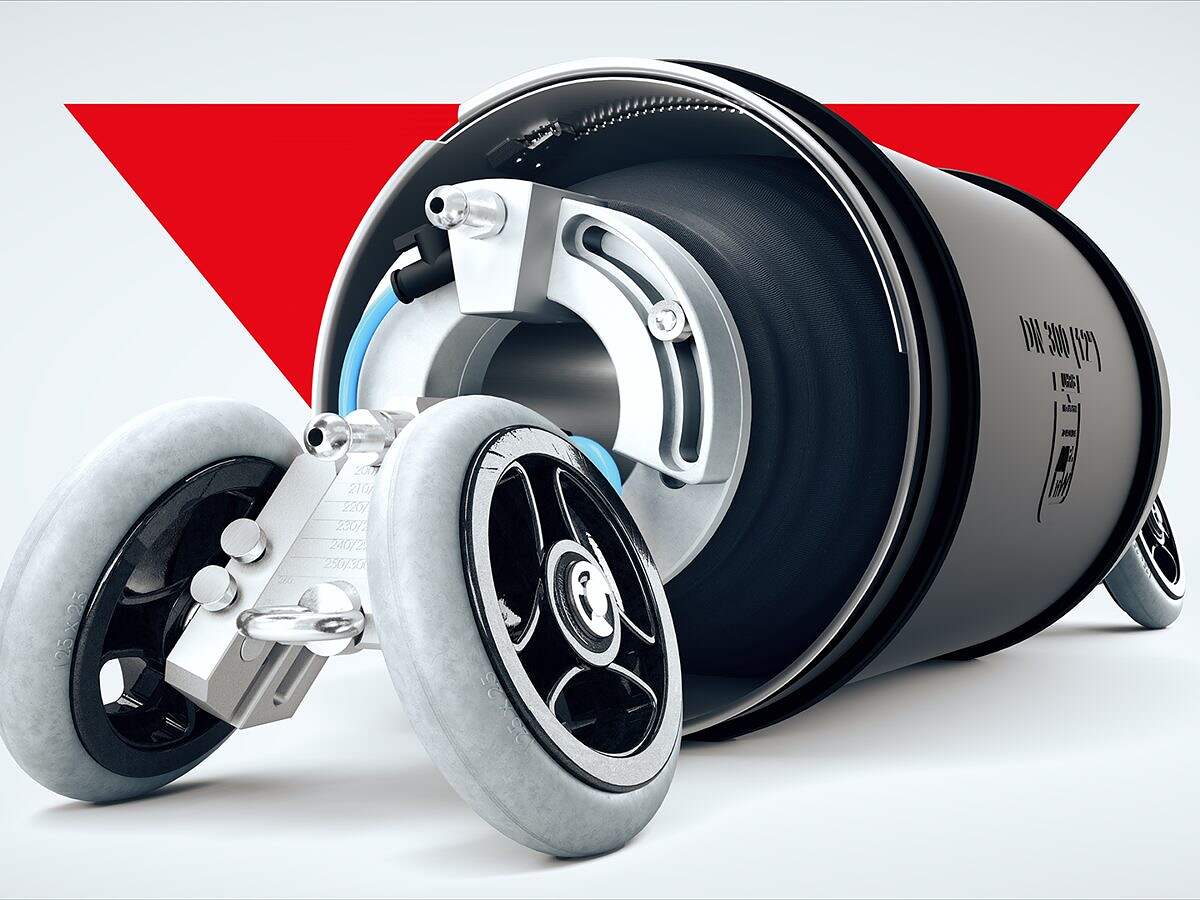
A strictly mechanical point repair with no resin. Just two parts: a 316L stainless steel sleeve and a seamless EPDM compression seal. The sleeve goes in through the manhole on an inflatable packer, is set over the damaged section, then expanded and permanently locked in place.
Use it for
- Leaking and offset joints
- Root intrusion
- Holes, longitudinal and circumferential cracks
- Abandoned laterals
- Restoring structure before lining
- Municipal sewer, well and potable water lines
Not for: collapsing pipe; inner pipe pressure above 220 psi; industrial sewage unless corrosion levels have been checked (ask about 904L).
Meets ASTM F3110
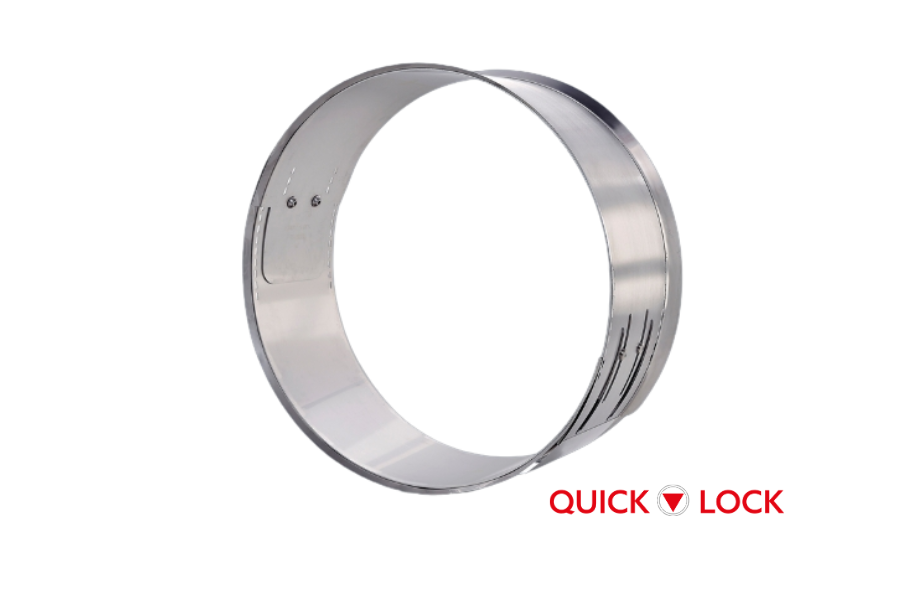 32″ to 80″
Large Mains & Trunk Lines
QuickLock BIG permanently seals leaking joints and radial or longitudinal cracks in large pipe. Same 316L stainless body and EPDM compression gasket, but no packer: the sleeve is set by hand, so the installer works inside the pipe with confined-space entry.
Use it for
- Municipal sewer lines
- Leaking joints
- Cracks and holes
- Restoring structure before lining
Meets ASTM F3110
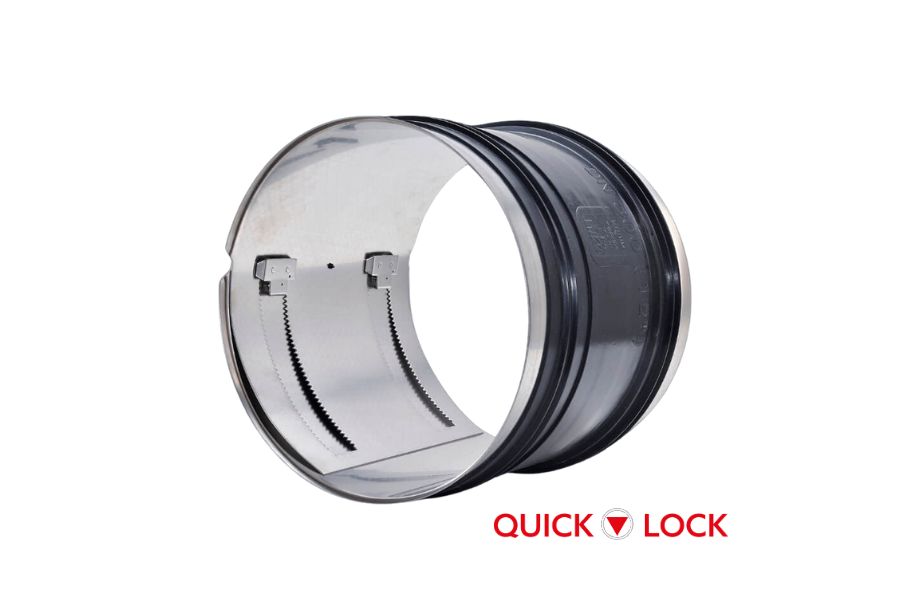 6″ to 32″ lined pipe
Seal the Ends of a CIPP Liner
The QuickLock Liner End Sleeve seals a CIPP liner where it meets the manhole. It stops water from running between the liner and the old pipe into the manhole, and it protects the liner end from root cutters and jetting nozzles.
Use it for
- Sealing water between liner and host pipe
- Protection from high-pressure cleaning
- Protection from cutters and pulleys
QuickLock in 904L for Salt Water & Brine
Standard QuickLock sleeves are 316L stainless, the right steel for everyday sanitary and storm sewer. Salt is different. Chlorides from salt water, brine or harsh industrial waste can pit and crack 316L over time.
For those lines a QuickLock sleeve is available in 904L stainless steel, a high-alloy grade made for seawater and offshore work. Same no-dig install from the manhole, same EPDM seal, tougher steel.
- Storm lines that carry road-salt brine
- Brine and salt water lines
- Industrial and processing waste with high chlorides
Not sure what is in your line? Send us the details and we will quote the right steel.
| 316L standard | 904L salt water | |
|---|---|---|
| Chromium | 16–18% | 19–21% |
| Molybdenum | 2–3% | 4–5% |
| Nickel | 10–14% | 24–26% |
| Copper | — | 1.2–2% |
| Pitting resistance (PRE) | About 24 | About 34 |
From the steel makers’ material data sheets (EN 1.4404 and EN 1.4539). Higher PRE means more resistance to pitting from chlorides.
Done on Camera, Start to Finish
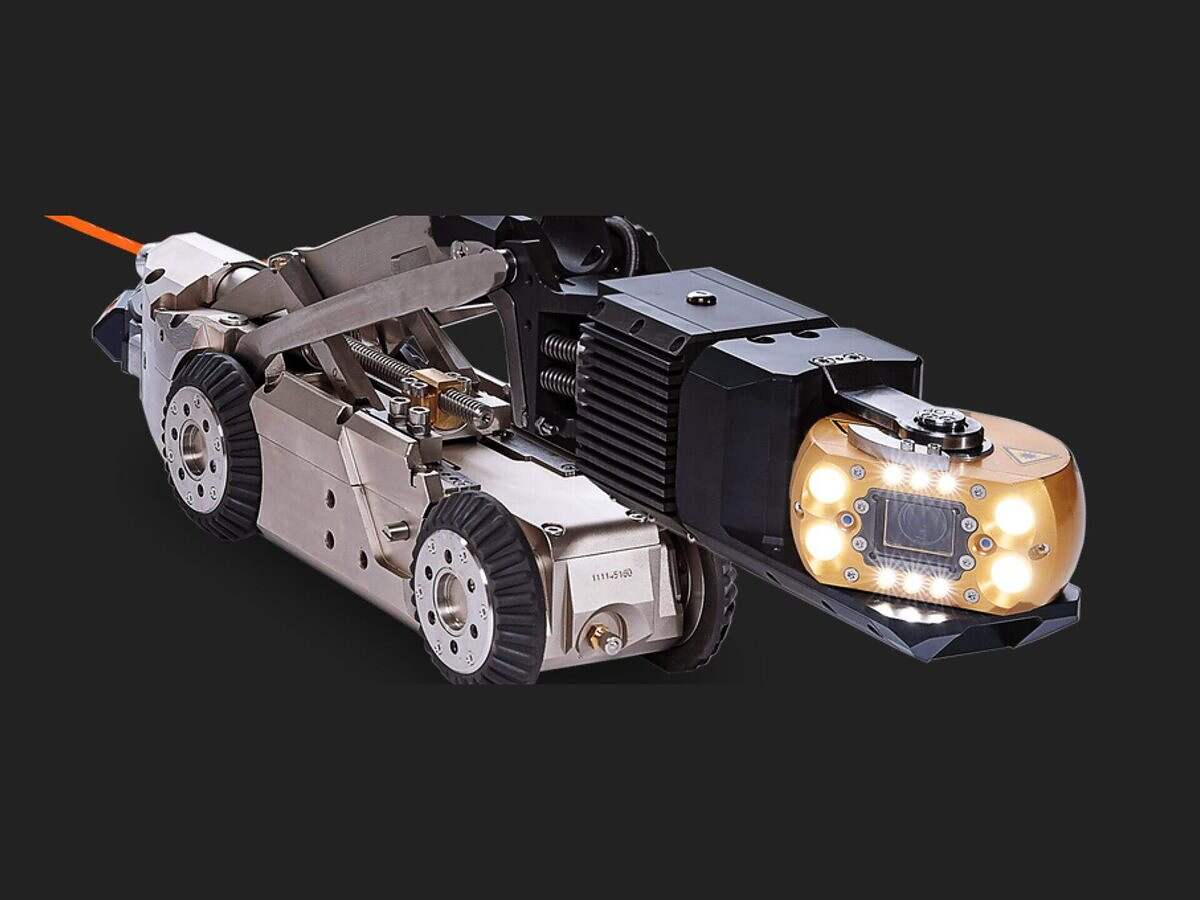
No guessing and no digging. The camera is on the sleeve from the manhole to the bad spot, and the city gets the video. Here is how a crew sets one on a real job.
 2
 3
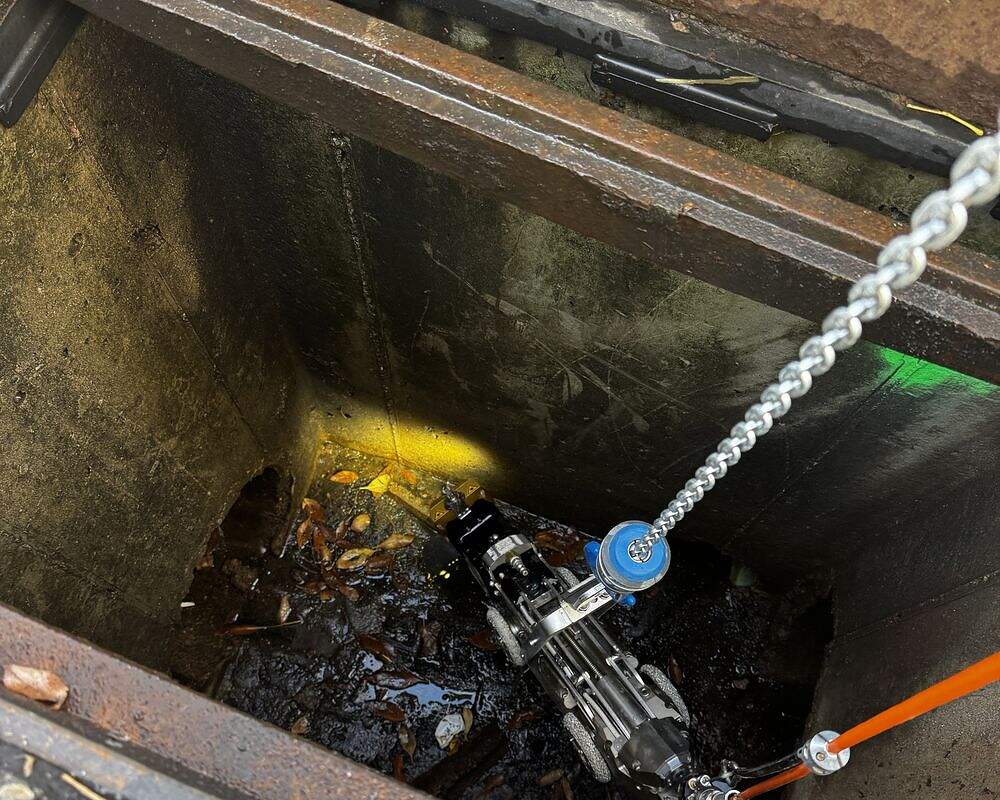 4
 5
Digging Up the Line vs. a QuickLock
Same broken pipe, two ways to fix it.
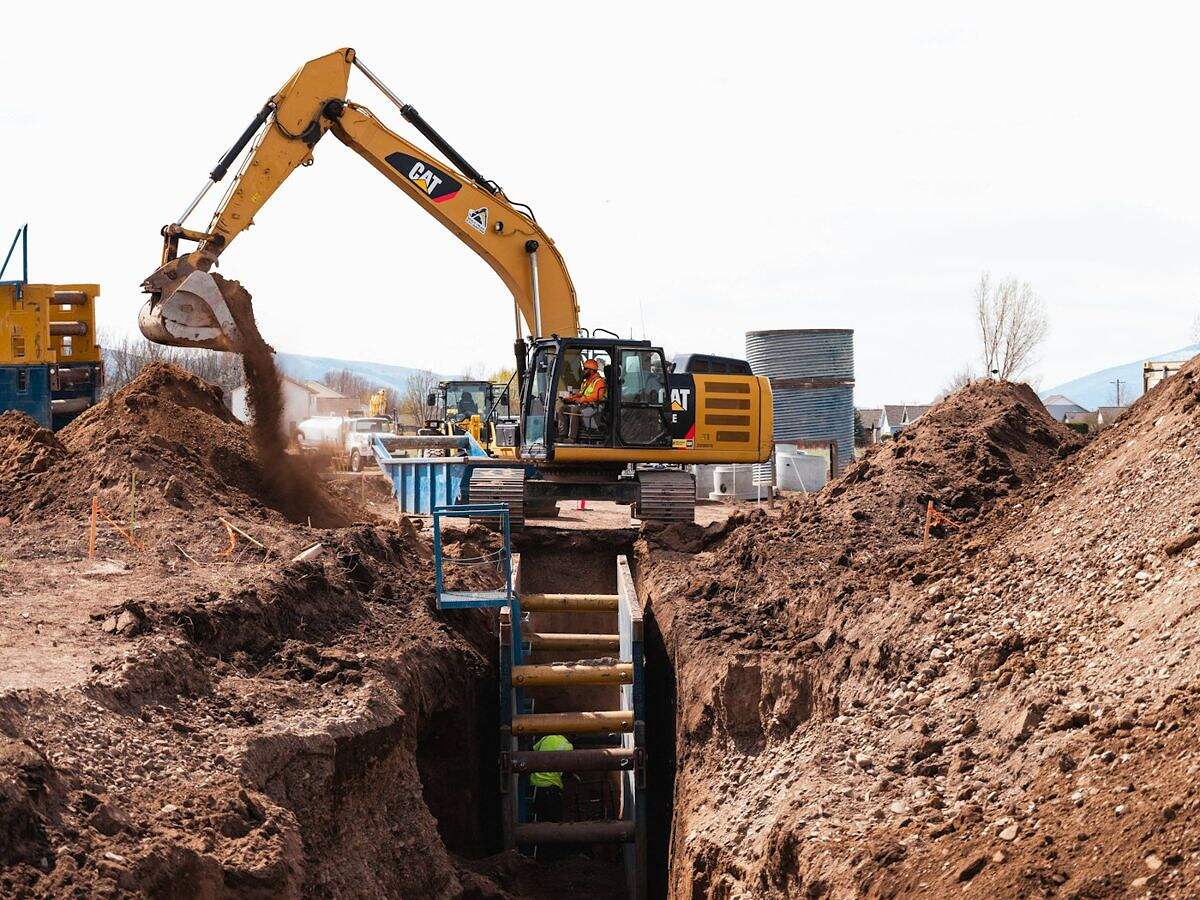
Dig & Replace
- Time on site
- Often days: locate, dig, replace, backfill
- Street or yard
- Cut open, then patched
- Traffic
- Lane closures and detours
- Other utilities
- Gas, water and fiber in the way
- Restoration
- Asphalt, concrete or sod to replace
- What you get
- A new section of pipe
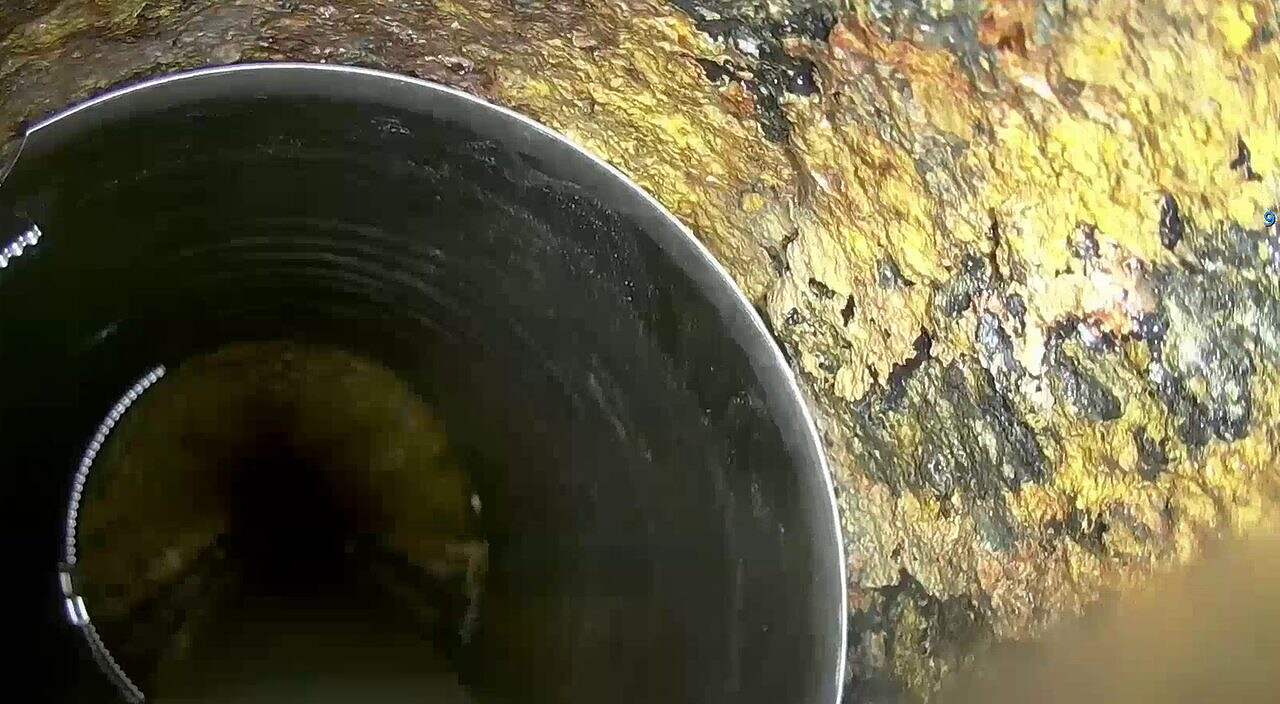
QuickLock Point Repair
- Time on site
- As little as 30 minutes from the manhole
- Street or yard
- Left alone
- Traffic
- One truck at the manhole
- Other utilities
- Nothing to dig around
- Restoration
- None
- What you get
- 316L stainless sleeve with an EPDM seal
A Better Point Repair Than a Short Liner
When a city is about to buy a resin short liner for one bad joint, this is the comparison to show them.
| CIPP short liner | QuickLock | |
|---|---|---|
| What goes in | Fiberglass or felt patch wet out with resin | 316L stainless sleeve with an EPDM seal |
| Cure time | Resin has to cure before the line goes back in service | Nothing to cure; back in service when the packer comes out |
| On-site mixing | Resin and hardener mixed and wet out at the truck | None |
| Cold weather & water | Cure depends on temperature and conditions in the pipe | Mechanical lock, no chemistry to go wrong |
| Seeing the result | Check after it cures | Set and confirmed on camera on the spot |
| Durability backing | Varies by product | 100-year durability assessment and a 50-year lifetime letter; meets ASTM F3110 |
| Equipment | Resin kit, liner and inversion or packer setup | Packer plus the Rausch crawler and camera many crews already run |
For Cities, Contractors & Sewer Pros
Goes with: Rausch mainline cameras · lateral launching · laser pipe profiling · Rausch push cameras
Want QuickLock for Your Crew?
We sell QuickLock sleeves, packers and install gear nationwide and train your crew to set them. Need help finding an installer? Ask us. Call 1-855-JET-TOOL.
QuickLock Point Repair FAQ
What is a QuickLock point repair?
QuickLock is a trenchless, mechanical point repair. A 316L stainless steel sleeve wrapped in an EPDM rubber seal is pulled into the pipe on an inflatable packer, expanded over the bad spot and locked in place. No resin and no digging.
Do you have to dig up the street?
No. The sleeve goes in through an existing manhole. The crew cleans the line, finds the bad spot on camera, sets the sleeve and televises the finished repair, all from the manhole.
How long does a repair take?
Once the line is cleaned and the spot is located, a single QuickLock can go in as fast as 30 minutes, start to finish. There is no resin to cure, so the line goes back in service as soon as the packer comes out.
What problems can QuickLock fix?
Leaking and offset joints, root intrusion at joints, holes, and longitudinal or circumferential cracks. It can also seal off abandoned services and seal the ends of lined pipe.
What can’t it fix?
A pipe that has collapsed or is missing large sections needs to be dug and replaced. QuickLock is not made for pressure pipe above its rated pressure or for corrosive industrial waste that has not been checked.
Can QuickLock handle salt water or corrosive lines?
Standard QuickLock sleeves are 316L stainless, which suits normal sanitary and storm sewer. For lines carrying salt water, brine or high-chloride industrial waste, a QuickLock sleeve in 904L stainless steel is available. 904L has about twice the molybdenum and more than twice the nickel of 316L, plus copper, and is used in seawater and offshore work. Tell us what is in the line and we will quote the right steel.
What pipe sizes does QuickLock fit?
QuickLock Mini covers 4" to 6", QuickLock Standard covers 6" to 32" and QuickLock BIG covers 32" to 80". End seals fit lined pipe from 6" to 32".
How long does a QuickLock last?
The sleeve is 316L stainless steel with an EPDM rubber seal, both made to last in municipal wastewater. QuickLock carries a 100-year durability assessment from the manufacturer’s testing, and the system meets ASTM F3110.
Is QuickLock better than a CIPP short liner?
For a single bad joint, crack or offset, QuickLock has no resin to mix or cure, goes back in service right away and is confirmed on camera when it is set. It is a 316L stainless sleeve with an EPDM seal backed by a 100-year durability assessment and a 50-year lifetime letter, and it meets ASTM F3110.
Can our city buy QuickLock on contract?
Yes. QuickLock is sold through Rausch USA, which is on Sourcewell and the Minnesota State Contract. Call us and we will walk you through it.
Do you sell QuickLock outside Minnesota?
Yes. Jet Line sells QuickLock sleeves, packers and install equipment nationwide from Kensington, MN and Salt Lake City, UT, and trains crews to install them.
Get QuickLock Pricing
Tell us your pipe sizes and how many repairs you have, and we will be in touch.
Our Coverage Area
Select a product to see the states we cover. Offices in Kensington, MN and Salt Lake City, UT.